.png?width=218&name=phasex-logo-home%20(1).png "Phasex Robertet home logo")
Expand Your Knowledge of SCF Extraction for Peanut Oil
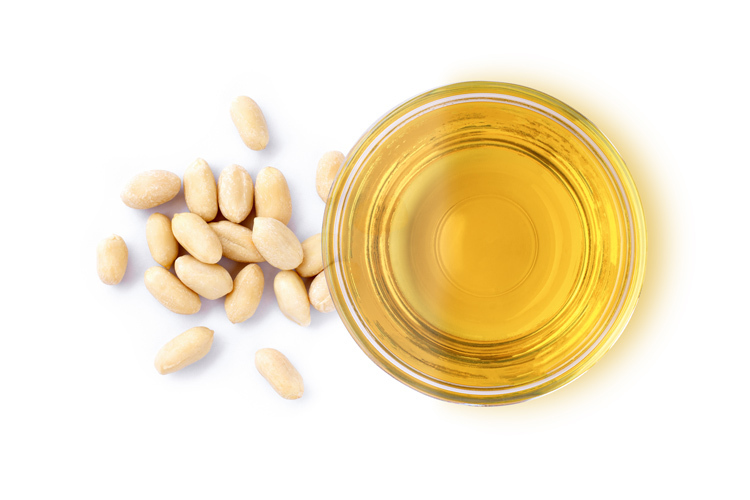
Peanut oil goes beyond simply being a kitchen staple—it’s also a valuable raw material for high-quality natural ingredients used across food, cosmetic, and wellness industries. As the demand for cleaner, greener extraction methods continues to grow, many formulators and manufacturers are turning to supercritical CO2 (SCF) extraction for its unmatched purity, selectivity, and environmental advantages.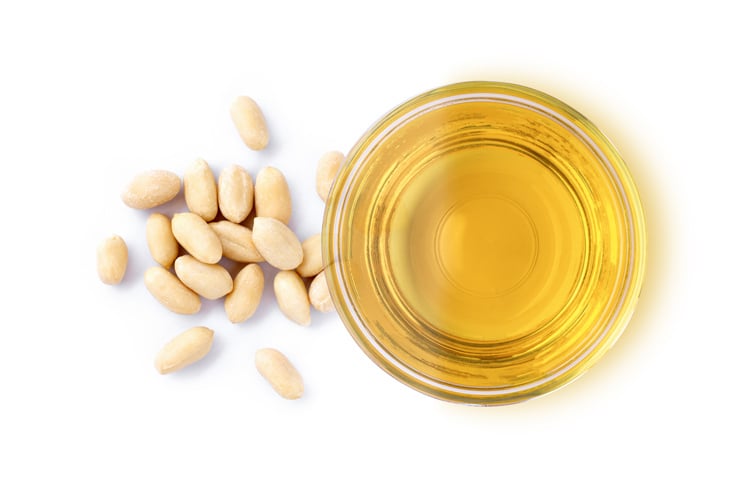
Whether you’re exploring sustainable production methods or comparing extraction technologies, understanding CO2 extraction is key to unlocking the full potential of peanut oil. In this FAQ, we answer the most common questions about CO2 extraction and peanut oil—from how the process works to why it’s reshaping industry standards for safety, quality, and performance.
Backed by decades of innovation, Phasex leads the industry in supercritical fluid extraction, helping businesses transition to cleaner, more efficient, and customized production models. Read on to see how SCF CO2 extraction transforms peanut oil processing—and what it can do for your products and brand.
Peanut Oil CO2 Extraction FAQs
Peanut oil is a common material for extraction. We’ve compiled a list of frequently asked questions about CO2 extraction and peanut oil, tailored for those interested in both the science and the practical benefits.
- What is supercritical CO2 extraction?
Supercritical CO2 extraction is a process that uses carbon dioxide in its supercritical state—meaning above a specific temperature and pressure—to act as a clean, solvent-like fluid for dissolving and extracting oils from plant materials, such as peanuts. It combines the properties of both a liquid and a gas, allowing efficient, deep extraction.
- How does CO2 extraction differ from traditional methods like hexane extraction or expeller pressing?
CO2 extraction uses no toxic or flammable solvents and operates at relatively low temperatures, avoiding the risk of chemical residues, flavor degradation, or environmental hazards associated with hexane. Compared to expeller pressing, CO2 extraction can deliver higher yields and greater nutrient retention.
- Is peanut oil extracted with CO2 safe and organic?
Yes, the CO2 used is food-grade, non-toxic, and leaves no harmful chemical residues. When combined with certified organic processing like Phasex’s, the oil can maintain USDA Organic status and regulatory compliance for food and cosmetic uses.
- Does supercritical CO2 extraction affect the flavor or nutritional value of the oil?
No. In fact, it preserves delicate flavors and valuable nutrients such as antioxidants, oleic acid, and natural aroma compounds better than high-heat or chemical-based extractions.
- What are the environmental advantages of CO2 extraction?
CO2 is naturally abundant, non-flammable, and fully recyclable in a closed-loop system, generating virtually no hazardous waste or emissions. This offers a much lower environmental footprint than chemical solvent extraction.
- What can CO2-extracted peanut oil be used for?
CO2-extracted peanut oil is suitable for culinary applications, premium culinary oils, cosmetics, skin lotions, sunscreens, and natural wellness products where purity, scent, and nutrient content are paramount.
- Is CO2 extraction more expensive than other extraction techniques?
The initial investment in equipment is higher, but ongoing operating costs are offset by greater efficiency, higher yields, product quality, and simpler compliance with environmental and food safety regulations.
- What is the SCF CO2 extraction process for peanut oil?
Supercritical CO2: Carbon dioxide is pressurized and heated beyond its critical temperature and pressure (above 31°C and 73 atm), turning it into a supercritical fluid. In this state, CO2 behaves like both a liquid and a gas, allowing it to penetrate the peanut material deeply and dissolve oils effectively.
Extraction Process: Crushed or ground peanuts are placed in an extraction vessel. Supercritical CO2 is passed through the peanut material, dissolving the oil present in the nuts.
Separation: The CO2-oil mixture is then transferred to a separator where pressure and temperature are reduced, causing CO2 to return to gas form and separate from the oil.
Recycling CO2: The gaseous CO2 is recycled back into the system for reuse, making the process sustainable.
- Can CO2 extraction target specific components or nutrients in peanuts?
Yes. The “tunability” of pressure and temperature allows for selective extraction of certain compounds, such as beneficial fatty acids or natural antioxidants, which is difficult with traditional techniques.
- Does Phasex customize the extraction process for different customer needs?
Absolutely. Phasex tailors parameters based on peanut variety, desired oil profile, and client requirements, supporting everything from initial R&D to large-scale production—all with cGMP and organic certification.
- Why are brands and formulators choosing Phasex’s CO2-extracted peanut oil?
Brands value unparalleled purity, consistent quality, cleaner labeling, and alignment with consumer demand for natural, sustainable ingredients. Phasex’s expertise and certifications allow companies to innovate while meeting the strictest global standards.
Supercritical CO2 extraction—championed and refined by Phasex—enables customers to achieve next-generation peanut oil quality with superior purity, yield, and environmental performance. As industry needs evolve toward cleaner, safer, and more sustainable production models, Phasex’s expertise ensures that companies stay ahead with tailored, technically superior extraction solutions.
For an in-depth discussion on the supercritical CO2 extraction process as it relates to peanut oil, check out this blog.
Exploring SCF for Your Business
As pioneers in the industry with four decades of expertise, Phasex is the pre-eminent leader in supercritical fluid CO2 extraction. We are a full-service company providing feasibility studies, R&D, and toll processing to industry and government.
Curious about how SCF CO2 processing can help you meet your goals? We’re happy to discuss a feasibility assessment with you about your supercritical fluid needs. Or contact us now if there are any questions we can answer for you.