.png?width=218&name=phasex-logo-home%20(1).png "Phasex Robertet home logo")
Unlocking Nature’s Purest Aromas for the Flavors & Fragrances Industry
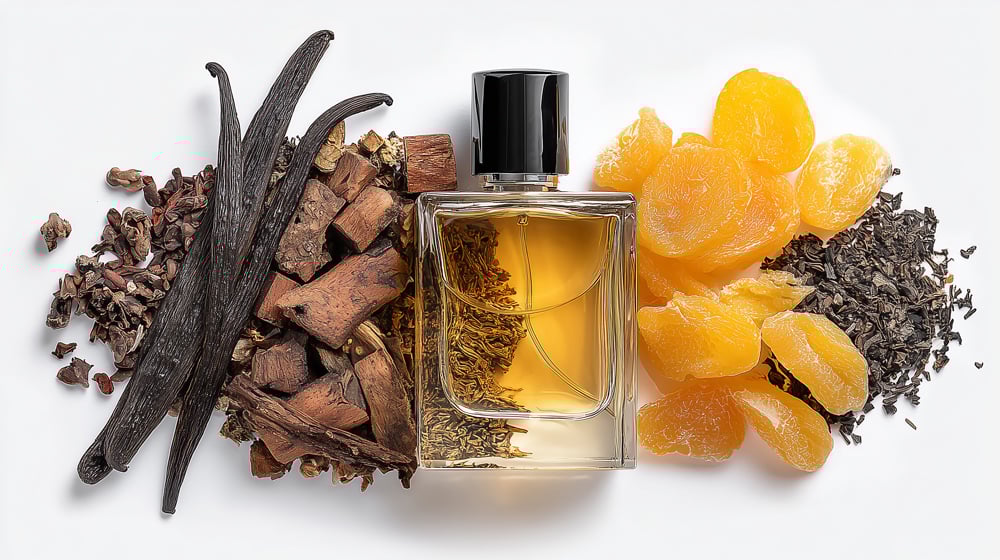
In the world of flavors and fragrances, capturing the true essence of botanicals is both an art and a science. Every note—whether it is the bright zest of citrus peel, the warmth of a vanilla bean, or the delicate sweetness of rose petals—depends on how effectively volatile compounds are extracted and preserved. At Phasex Corporation, we specialize in supercritical fluid (SCF) CO₂ extraction, a green and highly selective process that is redefining purity, precision, and sustainability across the flavors and fragrances industry. 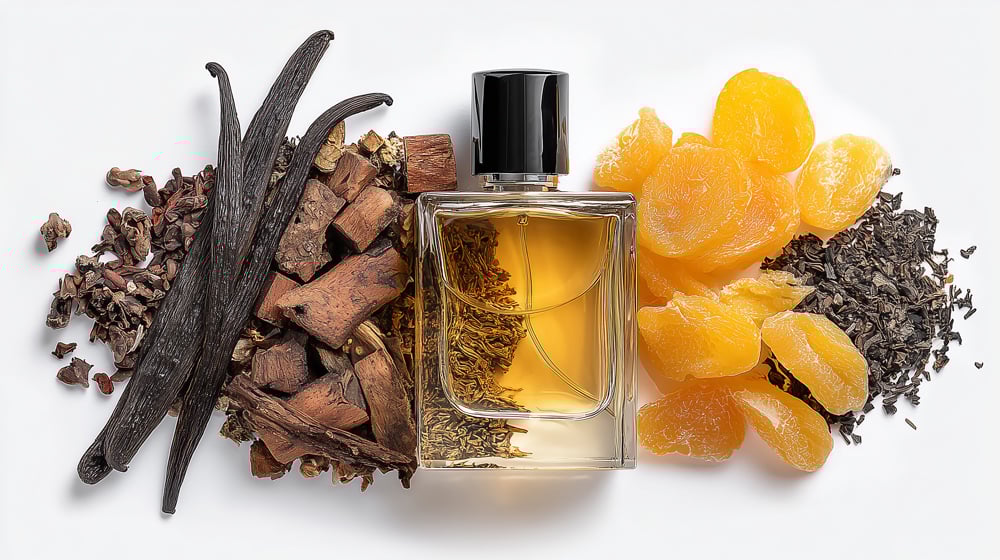
A Gentle Yet Powerful Extraction Method
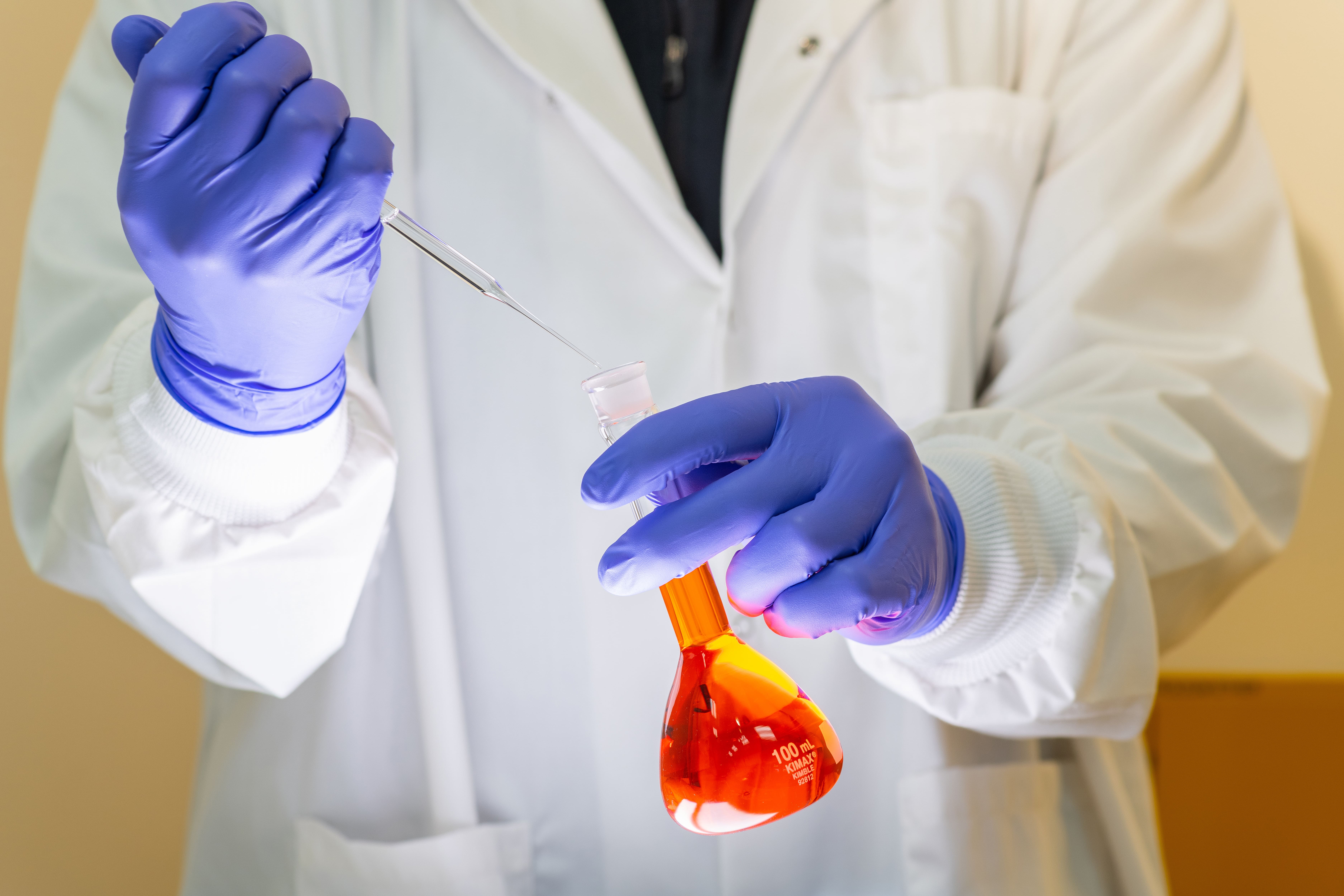
Supercritical fluid CO₂ extraction uses carbon dioxide under carefully controlled temperature and pressure. In its supercritical state, CO₂ behaves like both a liquid and a gas: it diffuses through plant materials easily, while dissolving aromatic compounds efficiently. When the pressure is released, the CO₂ simply returns to its gaseous form, leaving behind a clean, solvent‑free extract rich in delicate top notes and true‑to‑source profiles.
Unlike steam distillation or solvent extraction, SCF CO₂ operates at modest temperatures—often below 50°C—so the subtle volatiles that define high‑value natural oils are protected instead of cooked off. This low‑temperature, solvent‑free approach is particularly effective for botanicals with heat‑sensitive components, such as jasmine, lavender, citrus, and many floral and spice materials used in flavor and fragrance creation.
You can see this same principle in some of our long‑running projects outside traditional perfumery: Phasex has produced highly concentrated carotenoid extracts, such as astaxanthin from microalgae and lycopene from tomato skins using SCF CO₂, achieving much higher concentrations than conventional solvent extraction because we can tune the dissolving power of CO₂. These projects show how gently we can treat color‑ and aroma‑bearing molecules while still pushing concentration and performance. Here are some of the natural products we’ve worked with extensively using SCF CO₂ extraction.
Advantages Over Conventional Techniques
For flavor and fragrance developers, SCF CO₂ provides a set of advantages that directly translate into aroma quality, formulation flexibility, and label appeal:
- Thermal protection: Operation at low temperature and moderate pressure helps maintain delicate aromatic integrity, preserving top notes and complex bouquets that can be damaged during high‑temperature steam distillation.
- Clean and solvent‑free: CO₂ leaves no chemical residues, producing extracts free of heptane, methylene chloride, acetone, or other organic solvent remnants that can compromise purity or label claims.
- Adjustable selectivity: Pressure and temperature can be fine‑tuned to favor lighter top‑note fractions, heavier base notes, or specific chemical families, making it possible to sculpt the aroma profile from a single botanical feedstock.
- Environmentally responsible: CO₂ is recyclable, non‑toxic, and non‑flammable; in a closed‑loop system, it supports a greener, safer alternative to volatile organic solvents.
In practice, this tunability lets us do more than just “pull out the oil.” For example, Phasex has used SCF CO₂ to fractionate EPA/DHA from fish oils and algae, selectively separating components based on their solubility in supercritical CO₂. The same kind of selectivity can be applied to flavor and fragrance work—enriching certain aroma notes while excluding waxes, heavy off‑notes, or unwanted non‑volatile material.
SCF CO₂ is also effective when the goal is to clean up a challenging material rather than extract something new. Phasex has used its proprietary CO₂ process to remove cholesterol from egg yolks and to strip strong marine odors from deep‑ocean white fish powder while preserving nutritional value. These projects demonstrate how we can reduce or remove undesirable flavors and aromas while keeping the base ingredient intact—an approach that translates directly to refining complex flavor bases and animal‑derived notes for high‑end culinary and pet applications.
The Phasex Advantage
What distinguishes Phasex is not just that we run SCF CO₂ systems—it is the depth of applied experience and engineering expertise behind them. Having pioneered supercritical fluid technology since 1981, Phasex has helped customers extract, purify, and fractionate a broad range of natural products, from carotenoids and botanical phenolics to specialty lipids and aroma‑rich concentrates.
Our unique strengths include:
- Decades of applied expertise: Over 40 years of process development across natural products, bio‑based materials, and specialty chemicals, with documented successes such as astaxanthin concentrates up to 14% and concentrated lycopene, lutein, and zeaxanthin from botanical sources like tomato, spinach, corn, and marigold.
- Pilot‑to‑production capabilities: On‑site facilities support short feasibility runs as well as campaigns in the 1,000–100,000 kg range, allowing you to move from concept to commercial supply without changing partners.
- Precision process control: By tuning pressure and temperature, we selectively separate lipids from carotenoids, or active aromatics from heavier, non‑volatile components—an ability that is directly applicable to capturing clean, intense top notes and carefully balanced base notes.
- Collaborative development: Phasex engineers work closely with each client to define goals—whether that is maximizing yield, refining aroma quality, or removing off‑flavors—and then design SCF CO₂ runs to meet those targets.
- Regulatory and quality assurance: Processes are aligned with food and dietary supplement expectations, and our proprietary food‑grade CO₂ processes have been used in USDA‑certified organic applications where solvent‑free, high‑purity extracts are essential.
Whether developing a bright, clean citrus fraction, refining a marine ingredient to minimize fishy notes, or concentrating botanicals rich in color and aroma, Phasex brings a combination of technical depth and application experience that helps flavor and fragrance developers achieve consistent, high‑value results.
Exploring SCF CO₂ for Your Business
As the market moves toward clean, authentic, and sustainable ingredients, supercritical CO₂ extraction continues to lead the way in capturing nature’s truest essences. Forecasts for natural flavor concentrates and related categories highlight strong growth driven by consumer demand for organic and natural products, coupled with manufacturers’ adoption of advanced technologies like SCF CO₂ to deliver higher purity and better performance.
Through decades of specialized work—ranging from carotenoids and botanicals to odor‑critical marine and egg‑derived ingredients—Phasex helps brands and manufacturers unlock the full potential of their botanicals and complex feedstocks. The result is superior extracts and refined ingredients that stand out in both quality and performance and that align with the clean‑label, sustainability, and regulatory standards shaping the future of flavors and fragrances.
As pioneers in the industry, Phasex is a pre‑eminent leader in supercritical fluid CO₂ extraction and related separations. We are a full‑service company providing feasibility studies, R&D, and toll processing to industry and government.
Curious how SCF CO₂ processing can help you realize your flavor or fragrance vision? We are happy to discuss a feasibility assessment tailored to your needs—or you can contact us directly to explore next steps.

Frequently Asked Questions
Q: What types of botanicals are best suited for supercritical CO₂ extraction?
Many plant sources perform exceptionally well with SCF CO₂, including spices, herbs, citrus peels, roots, seeds, and flowers—especially those rich in delicate, low‑molecular‑weight volatile compounds. Phasex has also demonstrated success with carotenoid‑rich botanicals like tomato skins, spinach, corn, and marigold, where both color and aroma are important for end‑use applications.
Q: How does SCF CO₂ compare to steam distillation in flavor intensity?
Steam distillation can expose botanicals to high temperatures that strip or degrade sensitive components. SCF CO₂ operates at much lower temperatures, often under 50°C, and can be tuned to capture a more complete aroma profile. The result is frequently a cleaner, more vibrant flavor or fragrance with greater depth and complexity than what is obtainable through traditional steam alone.
Q: Do you have real examples of challenging flavor or aroma projects?
Yes. Phasex has used its proprietary CO₂ process to remove cholesterol from egg yolks and to reduce strong marine odors in deep‑ocean white fish powder while preserving nutritional value. These projects show how SCF CO₂ can “polish” challenging ingredients—reducing undesirable notes without compromising functional properties—an approach that translates directly to flavor, fragrance, and pet applications.
Q: Are CO₂ extracts considered “natural”?
Yes. SCF CO₂ extraction uses carbon dioxide, a naturally occurring substance that leaves no residual solvent in the final product, and does not require synthetic organic solvents. When applied to suitable raw materials and used within appropriate regulatory frameworks, CO₂ extracts support “natural” and, in many cases, organic positioning.
Q: Can SCF CO₂ handle colorful, aroma‑rich botanicals?
Absolutely. Phasex has produced highly concentrated carotenoid extracts such as astaxanthin (from microalgae) and lycopene, lutein, and zeaxanthin from plant substrates like tomato, spinach, corn, and marigold. These projects demonstrate our ability to preserve vivid color and subtle aroma nuances at commercial scale—traits that are valuable in both flavors and fragrances.
Q: How does SCF CO₂ support “clean‑label” and organic strategies?
SCF CO₂ extraction avoids heptane, methylene chloride, acetone, and similar organic solvents that can leave residues in both extracts and spent biomass. Phasex’s food‑grade CO₂ processes have been applied in USDA‑certified organic contexts, producing concentrated extracts free of residual solvents—an important advantage for brands targeting organic or clean‑label markets.
Q: What documentation will I receive for my flavors or fragrances?
You can expect standard batch records, process summaries, and Certificates of Analysis with the relevant tests and specifications for your project. For regulated or organic‑oriented applications, we also provide clarity on processing aids used (e.g., CO₂ only) and can help you position the extraction step appropriately in your technical dossiers.
Q: Can Phasex scale my product from pilot to full production?
Yes. Phasex offers scalable batch sizes, from small R&D trials through campaigns in the 1,000–100,000 kg range, supported by established SCF CO₂ protocols. This allows you to progress from initial feasibility to commercial processing without changing extractors or re‑developing the process.
Q: What kinds of projects are a good fit?
We are a strong fit for:
- Botanicals and natural materials where flavor, aroma, or color integrity is critical.
- Ingredients that need “cleanup,” such as reduction of off‑notes or removal of specific components (e.g., cholesterol, strong marine odor).
- Carotenoid‑ and phenolic‑rich materials where concentration and stability are essential.
If you are considering a supercritical CO₂ approach for flavors, fragrances, or adjacent applications, Phasex can evaluate feasibility and help design a process aligned with your performance and regulatory goals.
Q: How can I get started with Phasex on a flavors or fragrances project?
A typical starting point is a discussion of your raw material, target specifications (aroma profile, color, actives, impurities), and intended applications. From there, we outline a phased approach—feasibility, process optimization, and commercial toll processing—built around SCF CO₂.
You can begin that conversation by requesting a feasibility assessment or by contacting us directly through our contact page.